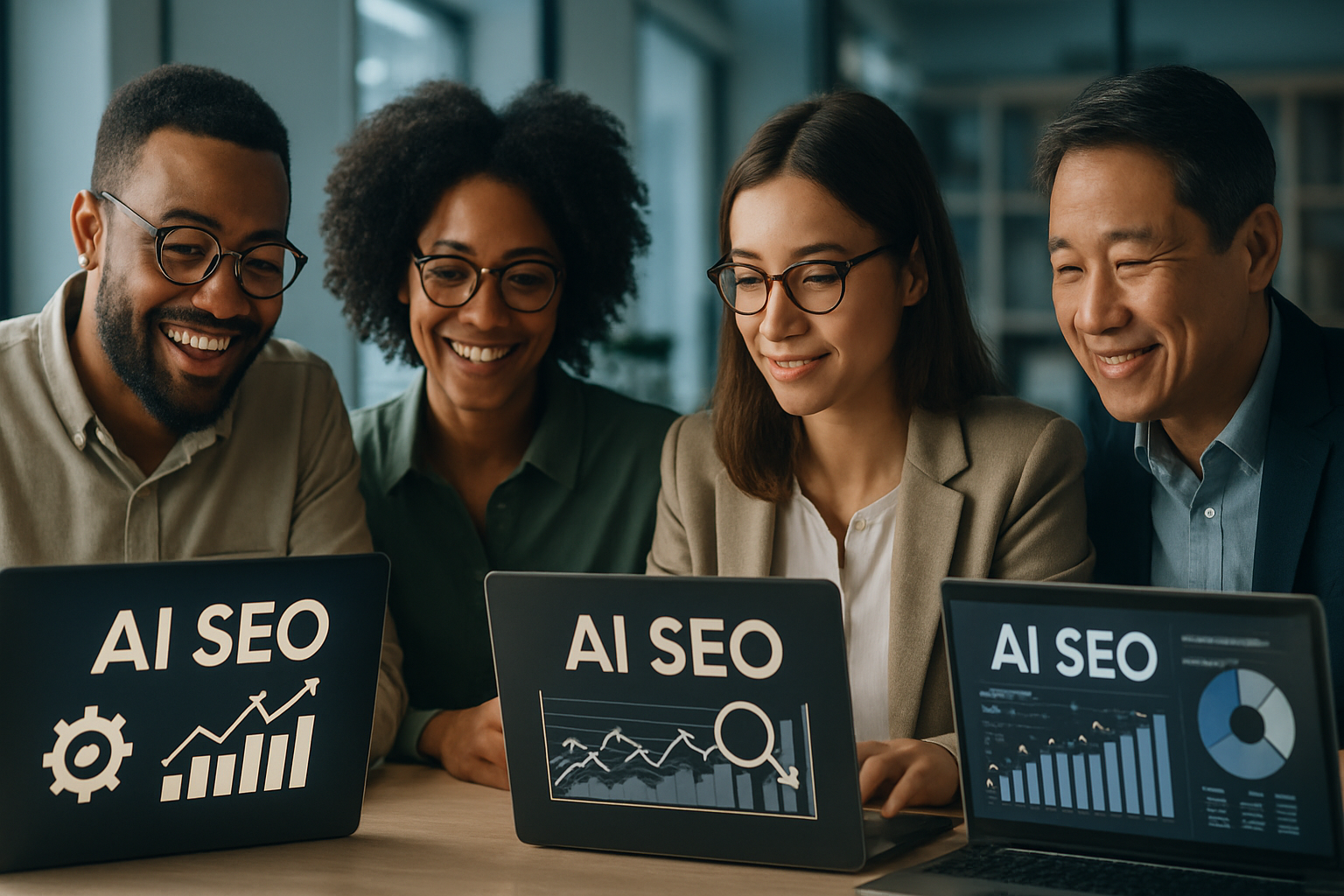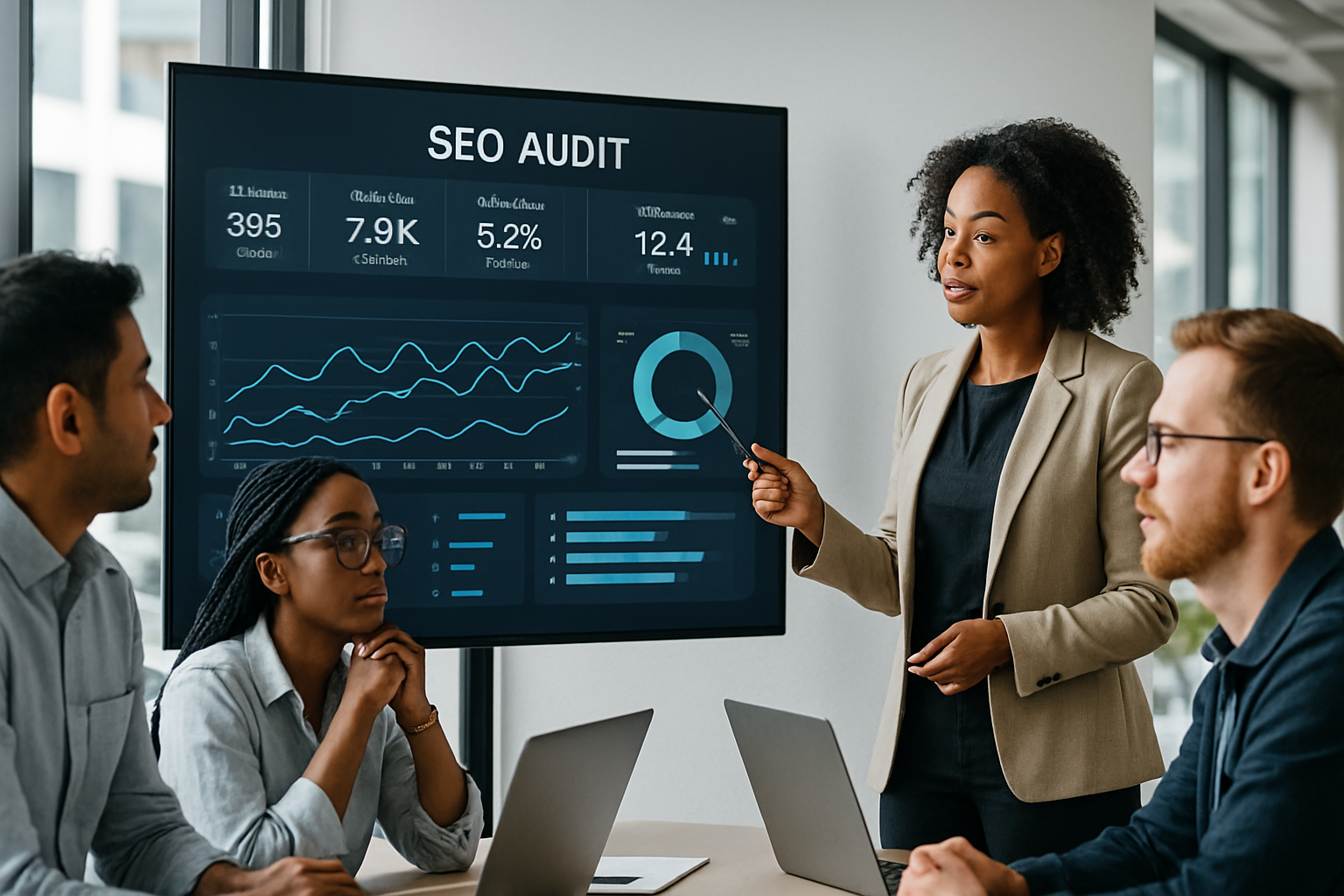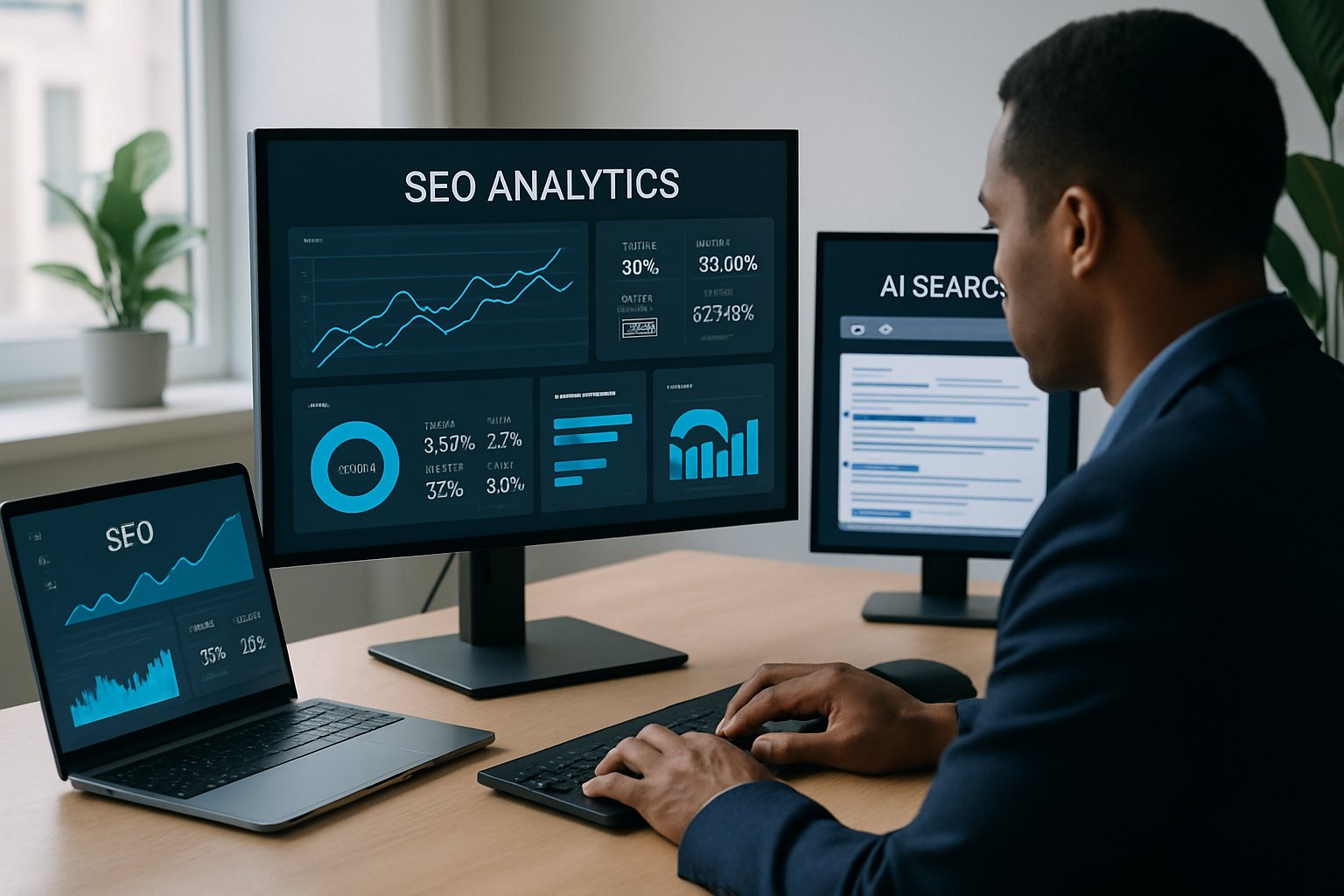
Search engine optimization is no longer limited to ranking on Google results pages. The evolution of artificial intelligence, conversational search, and user intent has transformed SEO into a broader discipline that includes AI visibility, content intelligence, and structured data optimization. This guide explains the most important modern SEO techniques and how to apply them effectively.
What Has Changed in SEO
Search engines now rely heavily on AI systems to interpret content, understand context, and deliver direct answers. Platforms such as AI search assistants and generative engines are reshaping how users find information.
Traditional SEO focused on keywords and backlinks. Modern SEO focuses on intent understanding, content quality and structure, entity recognition, user experience, and AI readability.
AI SEO and Generative Engine Optimization
What Is AI SEO
AI SEO refers to optimizing your content not only for search engines but also for AI systems that generate answers directly for users. These systems do not simply rank pages. They extract, summarize, and recommend information based on clarity, trust, and relevance.
How to Optimize for AI Answers
To improve visibility in AI generated responses, content should provide direct answers to real user questions, use a clear heading structure, avoid unnecessary filler, and include factual information supported by context. Pages that are easy to scan and easy to understand are more likely to be selected in AI summaries.
Why AI Visibility Matters
Websites that are optimized for AI systems can appear in AI generated summaries, voice search outputs, featured snippets, and conversational search responses. This creates a new layer of visibility beyond traditional rankings.
Search Intent Optimization
Understanding User Intent
Every search query has a purpose. Some users want information, some want to compare options, and others want to buy immediately. Strong SEO content matches the exact purpose behind the search rather than targeting keywords in a generic way.
How to Match Content With Intent
Modern optimization requires analyzing what users truly expect from a search result. A page should solve one main problem clearly, guide the reader logically, and avoid mixing unrelated goals. When content aligns closely with search intent, engagement improves and rankings usually become more stable.
Topical Authority and Content Depth
What Topical Authority Means
Topical authority is built when a website covers a subject thoroughly instead of publishing isolated pages with weak connections. Search engines favor websites that show expertise across an entire topic area.
How to Build Topical Authority
A strong strategy includes a main pillar article, supporting subtopics, FAQs, practical examples, and internal links that connect related pages. This structure helps both users and search engines understand the depth of your content.
Why Depth Matters More Than Volume
Publishing many thin articles is no longer effective. A smaller number of deeply useful pages usually performs better because they satisfy more intent signals and provide stronger semantic relevance.
Structured Data and Schema Optimization
Why Structured Data Is Important
Structured data helps search engines interpret page elements with more precision. It also improves the chance of appearing in rich results and enhances how AI systems understand your content.
Schema Types That Matter Most
The most useful schema types for many websites include Article, FAQ, Product, Organization, Breadcrumb, and Local Business schema. Choosing the right type depends on the content and purpose of the page.
Best Practices for Schema Markup
Schema should be accurate, relevant, and implemented in a clean format such as JSON LD. Overloading a page with irrelevant markup can reduce trust instead of helping visibility.
Technical SEO in 2026
Performance and Core Web Vitals
Fast websites continue to perform better because speed influences usability and crawl efficiency. Pages should load quickly, work smoothly on mobile devices, and avoid layout shifts or interaction delays.
Crawlability and Indexing
Search engines need to discover and understand your content efficiently. This requires strong internal linking, a clean site structure, valid canonical signals, and the removal of unnecessary crawl obstacles.
Clean Architecture and Stability
Modern technical SEO also depends on stable code, error free rendering, and predictable page structures. Sites with broken templates, duplicate pages, or malformed markup often lose visibility even when the content itself is strong.
Internal Linking Strategy
Why Internal Linking Still Matters
Internal linking helps distribute authority across the site and gives search engines a better understanding of page relationships. It also improves user navigation and helps visitors find deeper content.
How to Build a Better Internal Link Structure
Links should connect related pages naturally and use descriptive anchor text. The goal is to create a meaningful structure rather than adding links everywhere without purpose.
E E A T and Trust Signals
What E E A T Means
Experience, Expertise, Authoritativeness, and Trustworthiness remain central to modern SEO. Search engines increasingly evaluate whether content appears reliable, useful, and written with real subject knowledge.
How to Strengthen Trust
Useful trust signals include real author information, updated content, transparent company pages, contact details, customer proof, and practical insights that show real experience rather than generic rewriting.
Voice Search and Conversational SEO
The Growth of Natural Language Search
More users now search with complete questions instead of short keyword phrases. This means content should be written in a natural and direct style that mirrors how people speak and ask for help.
How to Optimize for Conversational Queries
Question based headings, concise answers, and plain language improve the chances of being selected for voice and AI driven search experiences. Long tail queries are especially important in this area.
Image and Media Optimization
Why Media Optimization Supports SEO
Images, videos, and other media help search engines understand content context. Properly optimized media can also drive traffic through image search and improve engagement signals on the page.
Best Practices for Images
Use descriptive file names, meaningful alt text, compressed file sizes, and visuals that genuinely support the content topic. Decorative or irrelevant images provide little SEO value.
The Future of SEO
AI First Search Behavior
Search is moving toward meaning, context, and entity understanding. Pages that are structured clearly and answer questions directly are better positioned for the next stage of search visibility.
Zero Click and Multi Platform Visibility
More users now receive answers without visiting multiple pages. As a result, brands must optimize not only for search rankings but also for being referenced and summarized across AI systems and modern discovery platforms.
Conclusion
SEO in 2026 is a combination of technical precision, content depth, structured information, and AI readiness. Success now depends on how clearly your content communicates value to both search engines and artificial intelligence systems.
Websites that focus on clarity, trust, topical authority, and strong technical foundations are more likely to rank, be cited, and remain visible across the future of search.